Icons, frescoes and preserved remains of saints
Peroj, St. Fosca, Vodnjan, Galižana
The blue line of the sea follows us on the left side, towards the west and northwest, while we take the bike trail towards Peroj, passing through the woods of campsite “Pineta”. A sight worth visiting in Peroj is the Orthodox church of St. Spiridion, famous for its valuable icons, iconostasis from the 16th century. In this church Orthodox masses are celebrated. The remote ancestors of the locals of Peroj arrived here from Montenegro in 1645 rebuilding the town that had been earlier devastated by plague. Heading towards the tourist village Barbariga – also famed for its ancient villae rusticae and workshops – there is a signpost indicating the way to the Romanesque church St. Fosca. With its characteristic arches, the church offers a view of the surrounding macchia and the open sea in the distance. The frescoes in St. Fosca’s Church date from the period between the 11th and 13th centuries. The scene of the Assumption dominates the interior: Christ, angels and apostles. This church attracts thousands of pilgrims who come here to pray since miracles of healing and recovery are said to take place. We continue along the unpaved road through the forest to the asphalt lane that, by turning right, takes us to Vodnjan and its 62-meter high bell tower, the tallest one in Istria. The streets and squares of Vodnjan are a collage of old town images. The collection of sacral art in the parish church of St. Blaise is one of the most famous collections on the Adriatic Coast. Especially interesting are the renowned Vodnjan mummies, saints whose bodies mysteriously failed to decompose, reliquaries, mass vestments, paintings and sculptures. The church also keeps the painting “Blessed Leon Bembo”, a work by Paolo Veneziano from the 14th century. In the Beticca Palace is an ethnographic collection and collection of paintings from the period between the 16th and 18th centuries. The road leads us to Galižana, town full of cultural monuments such as the church of St. Just, St. Anthony and St. Joseph, as well as the parish church of St. Roch from the 17th century. Passing through the woods, called “Ližnje more” by the locals, over Stancija Barbo, where you can taste the best varieties of Istrian wines at the wine cellar, once again the road takes us back along the seaside to Fažana.
Parish church of St. Blaise in Vodnjan WORKING HOURS VI – IX from 10am till 6pm Closed on Sundays and holidays I – V and X – XII reservations by mail or by phone T:. 00385 97 661 7522 E: visitors@zupavodnjan.com
St. Fosca: Holy Mass is celebrated on the first Sunday of the month, according to the following schedule: January, February, March, April: 3pm May, June, July, August, September: 5pm October, November, December: 3pm T:. 00385 97 661 7522 E: visitors@zupavodnjan.com
✨Similar content

What to see & do in Fažana
A day in Fažana? Where do we start?! There are probably a million and one ways to fill your holiday with incredible things to do. No matter what you decide to get up to when you visit Fažana, you’ll make memories. Here are just some of the exciting things you can do here, but the adventure doesn't stop here \[…\]

Walking
The Path of good Vibrations
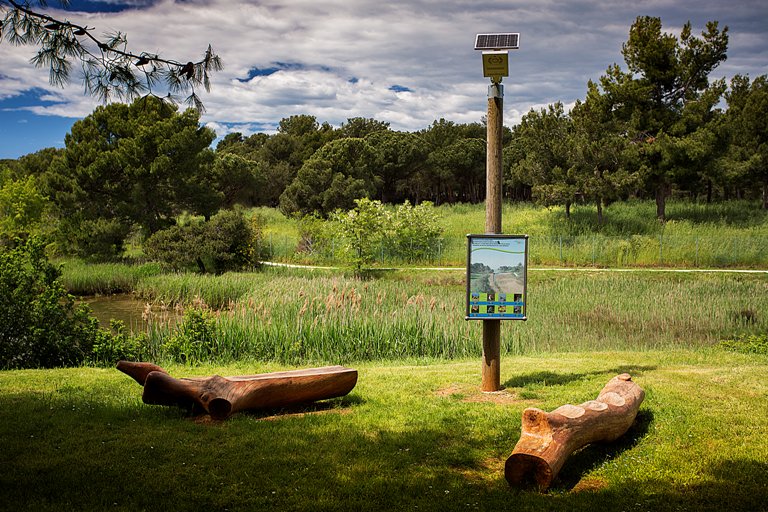
The Path of good Vibrations is a walk and bike trail for self-sightseeing of specially selected locations that provide a place for relaxation, contemplation of beauty, serenity, love and good feelings with the aim of a positive shift from the daily life.

Excursion to Brijuni National Park
How to visit the Brijuni National Park?
Cycling
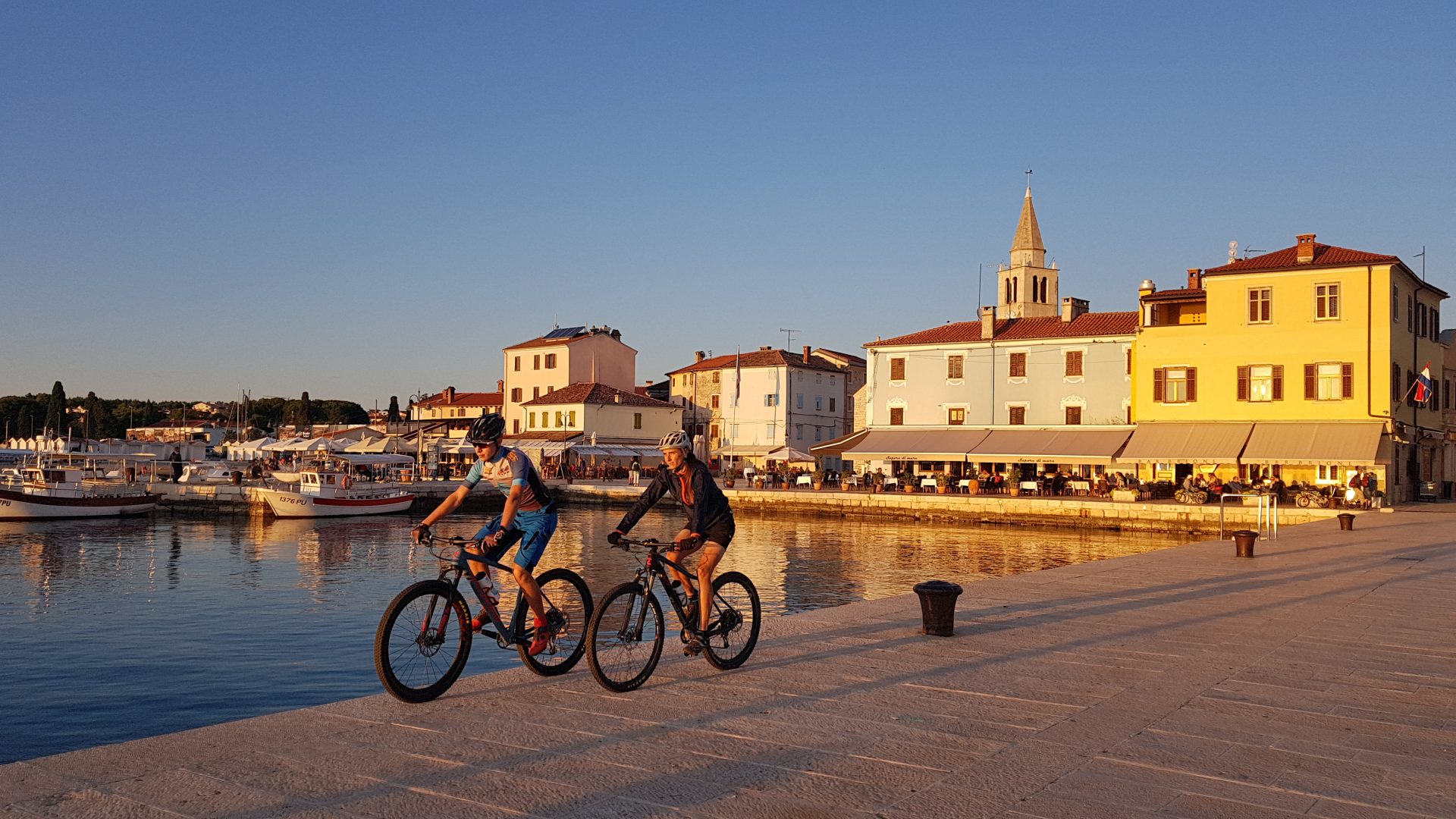
Experience Fažana through cycling.
